Since more than a century, public swimming pools are a part of American culture. They provide a place for people from all walks of life to gather, cool down, and enjoy summer. These pools were built to provide recreation and hygiene for urban communities regardless of race or social class. A complex segregation and suburbanization history, combined with funding issues, has led to a decline in the number of public pools. This has deprived many communities of essential recreational spaces.
Public pools in the early 20th Century were hubs of social activity, with unique designs to delight the masses. These pools were a source of entertainment and leisure for many people in major metropolises. Unfortunately, as the civil rights movement sought to integrate these spaces, racial tensions escalated, and many cities officially segregated their pools. Private pools and suburbanization have further contributed to the decline in public swimming facilities.
The disappearance of city swimming culture is a major loss to urban dwellers today. These pools not only fostered a sense community and social cohesion but also gave children the opportunity to learn how to swim, a life-skill that is essential for all. Swimming disparities increased as public pools disappeared, leaving many low-income households and minorities without affordable access to swimming.
Jeff Wiltse is the author of Contested Waters. He states that during the early 20th Century, public swimming pools were primarily built for hygiene and bathing. The municipal swimming pools were extremely popular, but segregated based on gender out of concern for sexual impropriety. These new pools, like many other public amenities of the time, were disproportionately located in white neighborhoods.
The problem is systemic from coast to coast
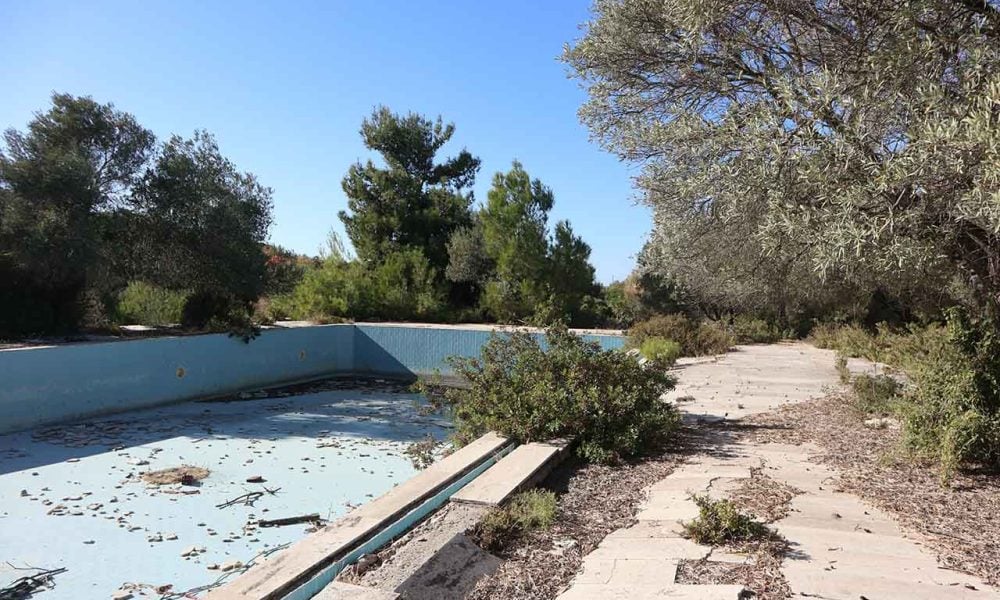
The problem is widespread across the United States. Louisville is a prime example of a city that has lost its public swimming spaces. The city used to have ten public swimming facilities. Now, there are only four. This summer two of them will be open. The result is that thousands of residents (mostly Blacks and low-income families) are left without access to water in the hottest months. Even attempts to renovate existing swimming pools or allocate funds for YMCA memberships have failed to provide the ideal solution – an indoor pool that is accessible all year round.
Long Beach is known as “the Aquatic Capital of the USA”, but it has a serious lack of public pools. The city has a population over 460,000, but only three public swimming facilities are open year-round. The lack of public swimming facilities in Long Beach is a stark contrast with the city’s reputation as a beach town and highlights the low investment in recreational infrastructure. None of the three public swimming pools in Long Beach are located conveniently or are easily accessible by public transportation. Residents must instead rely on the two high school swimming pools, which are only part-time open to the community in the summer.
Boston’s public pools are experiencing a serious problem, particularly during extreme heat. The recent declaration by Mayor Michelle Wu of a heat-related emergency on the 26th and 27th of July highlighted the seriousness of the situation. Residents need to have access to cooling amenities, like city-owned splash pads and pools, during an oppressive heatwave to remain safe and comfortable. 10 of the 18 city-owned public swimming facilities were closed.
How many public pools have we lost in the U.S.
In 2009, the US Consumer Product Safety Commission estimated that there were 600,00 public pools throughout the United States. The Pool & Hot Tub Alliance estimates that there are 309,000 public pools in operation today and this number is continuing to decrease.
It won’t be simple to restore public swimming pools to their former glory. Budget constraints have made it difficult for cities to maintain and build new public pools. The decline in interest is also due to changing social dynamics such as summer schedules and perceptions of public swimming pools as dirty and unsafe.
Some cities have been able to maintain their public pools, but many others have struggled with shortages of lifeguards and rising insurance costs. In the event of a lifeguard shortage, pools may be forced to close early or operate with shortened hours. The private pools and non profit organizations are trying to fill the gap, but cannot replace the social benefits and recreational opportunities that public swimming pools used to provide.
Without the proper commitment and investment from government and communities, America’s public pools will continue fading from view. This will leave urban residents of America without safe and easy to access places to swim. To make public swimming a shared and inclusive experience, we need to work together to renovate and build public swim facilities. This will ensure that future generations are able enjoy the joy, unity, and community they once provided.
The post America is Losing Public Swimming Pools at an Alarming Rate first appeared on poolmagazine.com. Get the Latest Pool News.