What Is It and How Does It Spread?
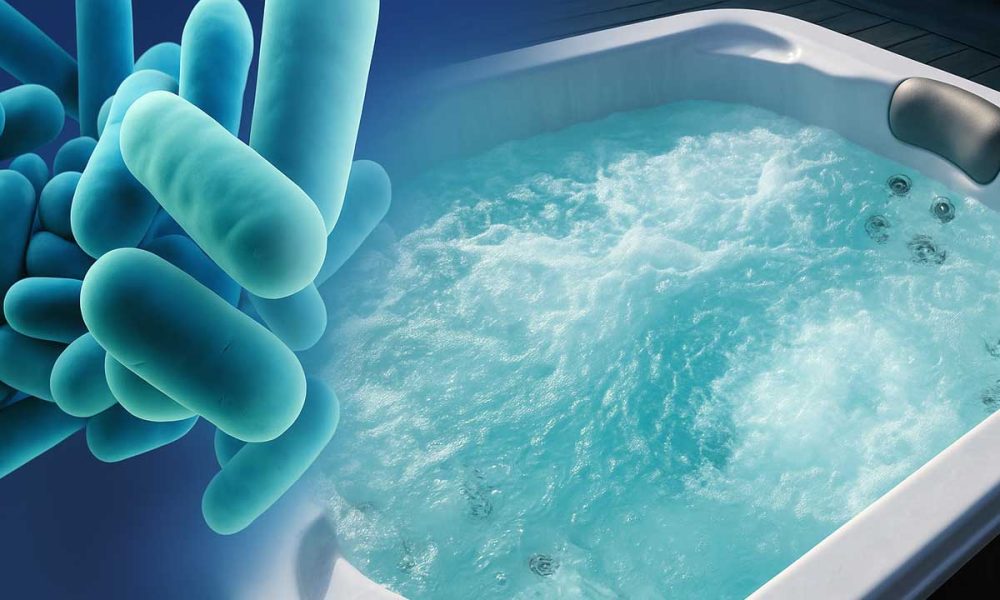
Simply put, Legionella pneumophila is a bacterium that can be transmitted to people from poorly maintained spas. Why spas specifically? The bacteria thrive in hot water temperatures of 77°F–108°F, conditions usually found in spas. They also thrive if the water is not circulating for a period of time.
Additionally, Legionella bacteria are spread by aerosolized water droplets or mist created by spa therapy jets. The mist contains bacteria that can get deep into the lungs and cause symptoms. You don’t even have to be in the spa—simply sitting next to it, downwind of the mist, can put you at risk.
Symptoms may include loss of appetite, body aches, headache, fatigue, fever, chills, diarrhea, abdominal pain, pneumonia, and nonproductive cough. Severity can vary depending on a person’s immune system. Those most likely to be impacted are:
 Elderly individuals Pregnant women Children People with conditions that lower their immune system (medical conditions, smokers, or chronic respiratory issues)
Legionellosis is not a common outbreak, but when it does occur, it is more serious than many other recreational water illnesses.
The number of cases in the United States has increased in recent years. This may be due to inexpensive or simplified testing options, greater awareness in the public and medical communities, and increased reporting. It is likely a combination of all these factors that has brought more attention to Legionellosis within the pool industry.
Where Is It Found?
Legionella is always present in natural and artificial freshwater environments worldwide. In a spa environment, it resides in biofilm inside the piping, jets, and other equipment. Biofilm is a community of microorganisms surrounded by the slime they secrete, attached to surfaces. Most of the time, Legionella shelters with amoebae inside spa plumbing.

Conditions That Increase The Spread of Legionella in Hot Tubs & Spas
Water temperature between 77°F–108°F encourages rapid bacterial growth in spa water. Stagnant water creates an ideal environment for biofilm to form in plumbing lines, jets, and return lines. Other contributing factors include:
Decreased filtration and improper water chemistry Scaling, which increases rough surfaces for biofilm buildup Sediment, which bacteria can bind to if not filtered Lack of disinfection High pH, which reduces chlorine effectiveness High cyanuric acid levels, which limit chlorine performance
Case Study: Legionella Outbreak in Indian River County, FL
How Did the Health Department Learn About It?
In 2016, I worked on an outbreak involving two people infected with Legionella pneumophila in a 55+ community in Indian River County, Florida. Both developed pneumonia or related symptoms and sought care at hospitals or doctors’ offices.
A simple urine antigen test, inexpensive compared to other lab tests, confirmed the presence of Legionella. Once positive, results were reported to the local health department, as required under Florida’s Reportable Diseases/Conditions List.
What Does the Health Department Do With the Results?
The health department assigns a nurse or environmental health professional to contact the ill person and conduct a lengthy interview. In this case, both individuals reported using the same public spa within the same week.
What Happens Next?
The public spa was assigned to an environmental health pool inspector. Inspection revealed:
No disinfectant level High pH level A malfunctioning ORP controller No daily log of chlorine and pH levels
The spa was immediately closed. Once violations were corrected, it was reinspected and allowed to reopen. A formal notice of violation warned the property owner that future noncompliance could result in fines or further action.

How Was the Pool Pro Involved?
The spa was serviced by a licensed pool service contractor. Negligence was suspected for failure to maintain proper disinfectant levels, pH, ORP functionality, and chemical logs.
Other Legal Issues
The family of one of the ill individuals sued both the property owner and pool service company. Public records requests to the Florida Department of Health revealed inspection records, but not protected medical records. Ultimately, both the property owner and the pool service company were found negligent and paid damages.
What Can Pool Pros Do to Control Legionella?
A pool pro can minimize the risk of outbreaks by treating every spa or hot tub as a potential Legionella environment. Key steps include:
Follow all manufacturer recommendations and local health agency requirements Monitor disinfectant and pH levels daily (or more often) and log results Review logs for trends to identify needed maintenance Maintain disinfectant levels: Chlorine 3–10 ppm; Bromine 4–8 ppm Keep pH between 7.2–7.8 Use ORP and automatic feed systems Keep cyanuric acid below 40 ppm Maintain proper water balance to prevent scale Run therapy jets daily for 15–30 minutes Routinely backwash sand and DE filters; replace cartridges regularly Ensure 24-hour water circulation through filters Enforce bather load limits and post spa rules Post warnings for immune-compromised and chronically ill individuals Close spas daily for superchlorination (10 ppm or 10x combined chlorine) Drain, scrub, and disinfect spa walls, tile, and holding tanks with fresh 1:10 sodium hypochlorite solution Replace spa water regularly (Spa Volume ÷ 3 ÷ Average Users per Day) Ensure indoor spas have isolated air handlers and dehumidifiers
Prevention of Legionellosis should be a top priority for pool pros due to the significant health, legal, and financial risks involved.

Prevention Ideas
Many public health codes do not define spas as “increased risk aquatic venues.” The CDC’s 2023 Model Aquatic Health Code defines these as venues serving very young children or therapy patients.
However, since Legionella poses serious risks in spas, they should be classified as high-risk venues. This would prompt requirements for secondary disinfection, such as ultraviolet (UV) systems.
UV disinfection has been shown to inactivate Legionella at a 4-log rate (4 mJ/cm²). A dual approach—UV combined with chlorine—can provide an effective barrier, similar to systems already required for splash pads. Implementing UV systems in spas could significantly reduce outbreaks and protect vulnerable users.
The post Understanding Legionella in Spas appeared first on PoolMagazine.com – Get The Latest Pool News.